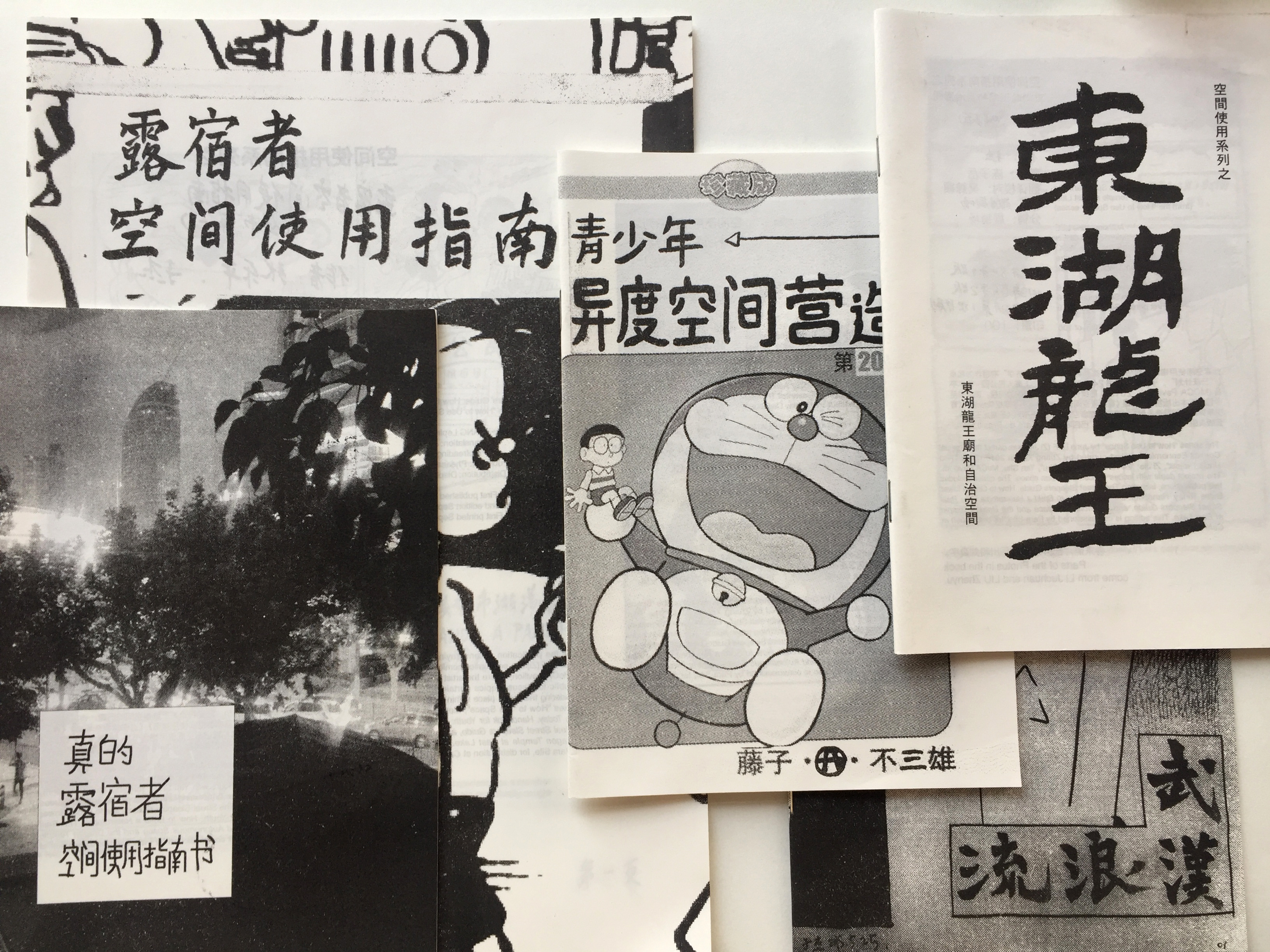
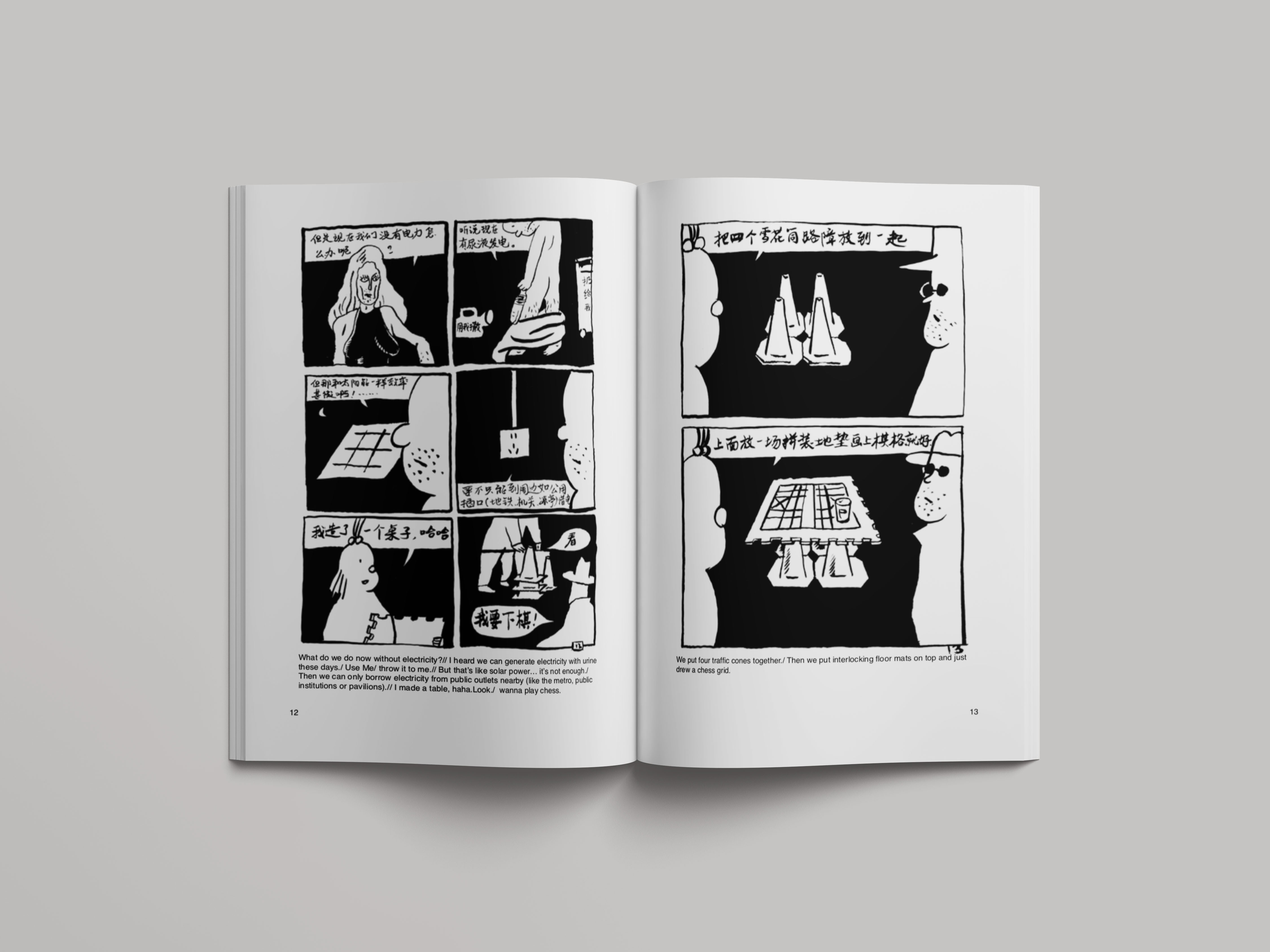
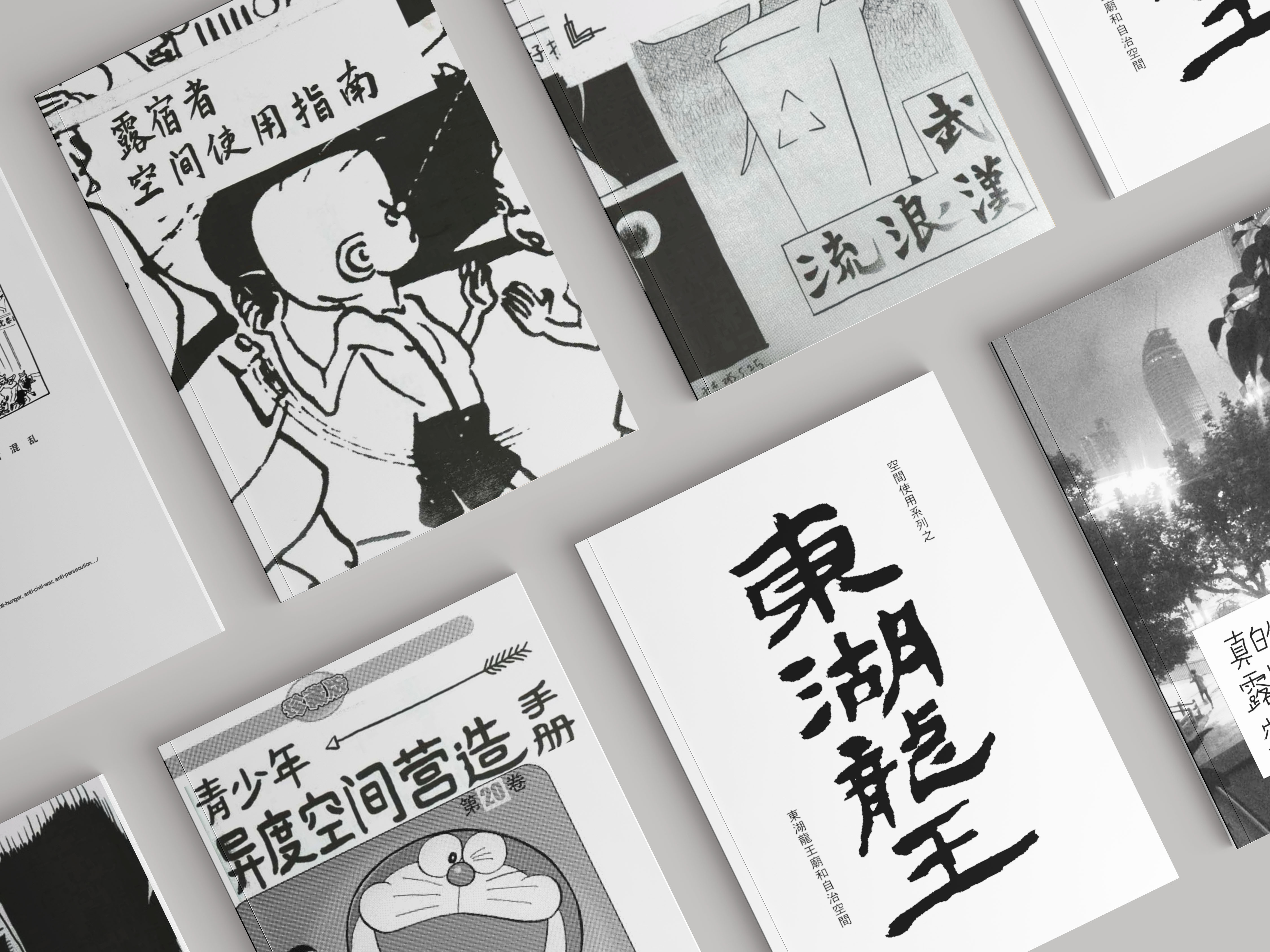
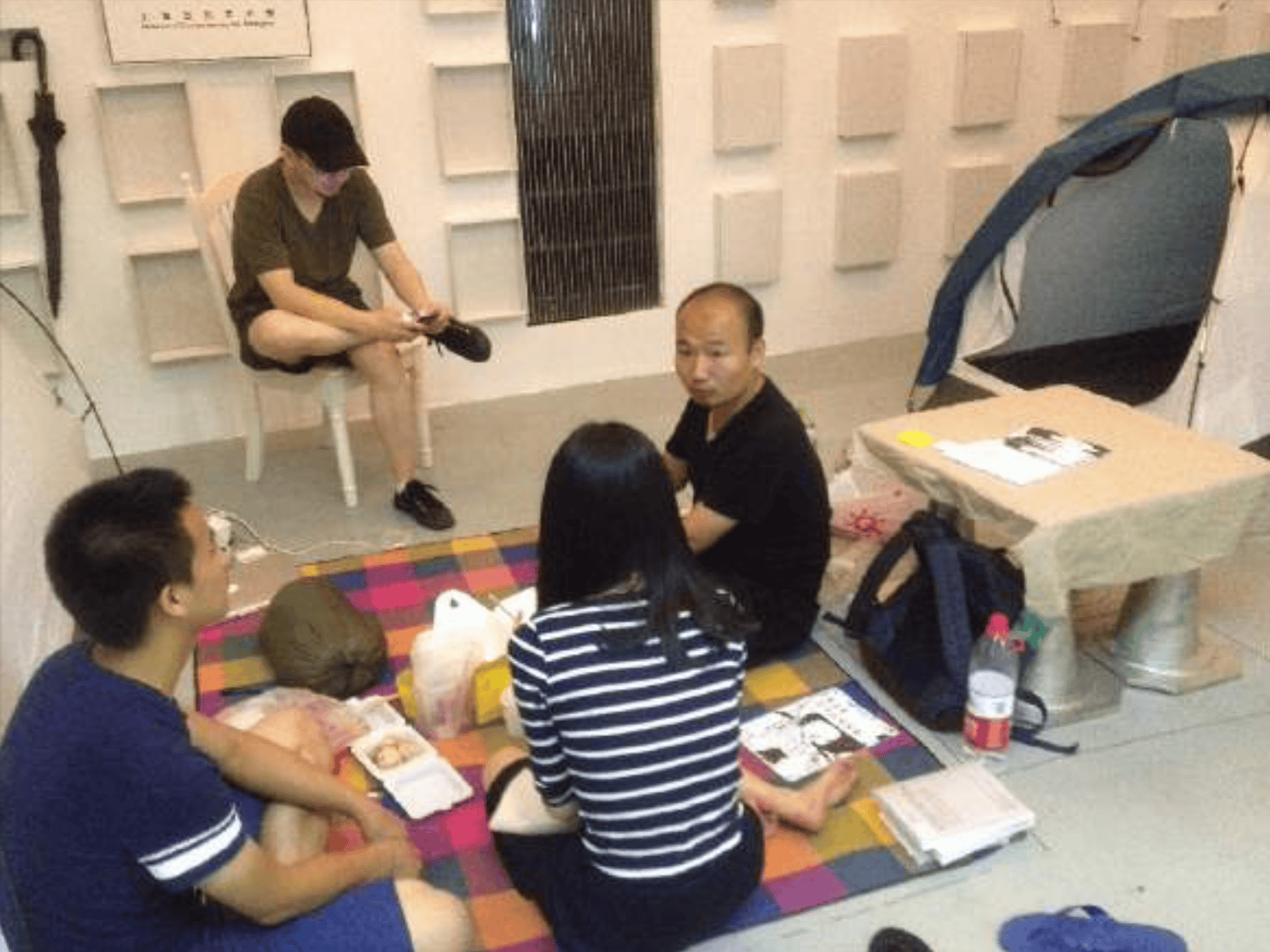
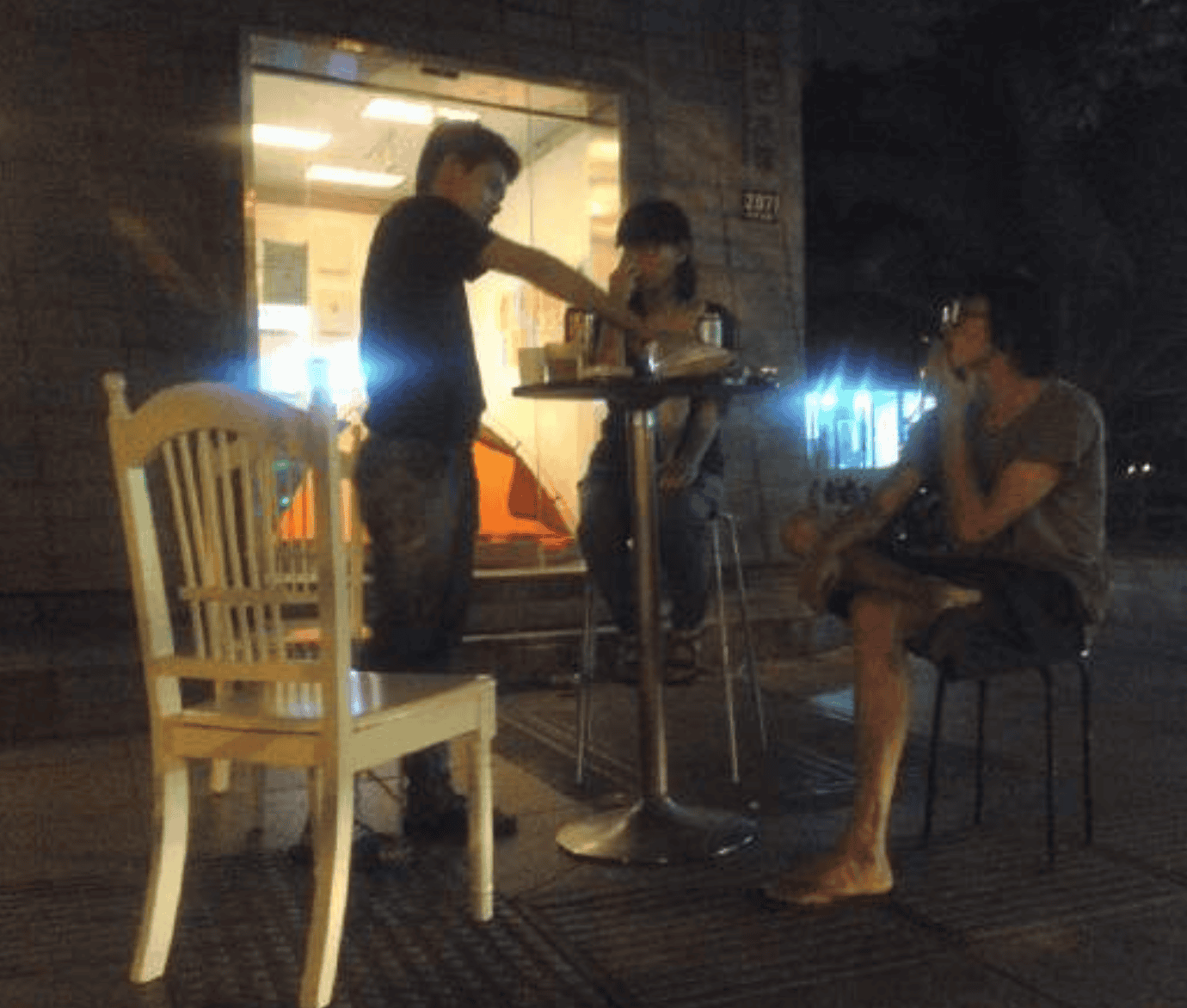
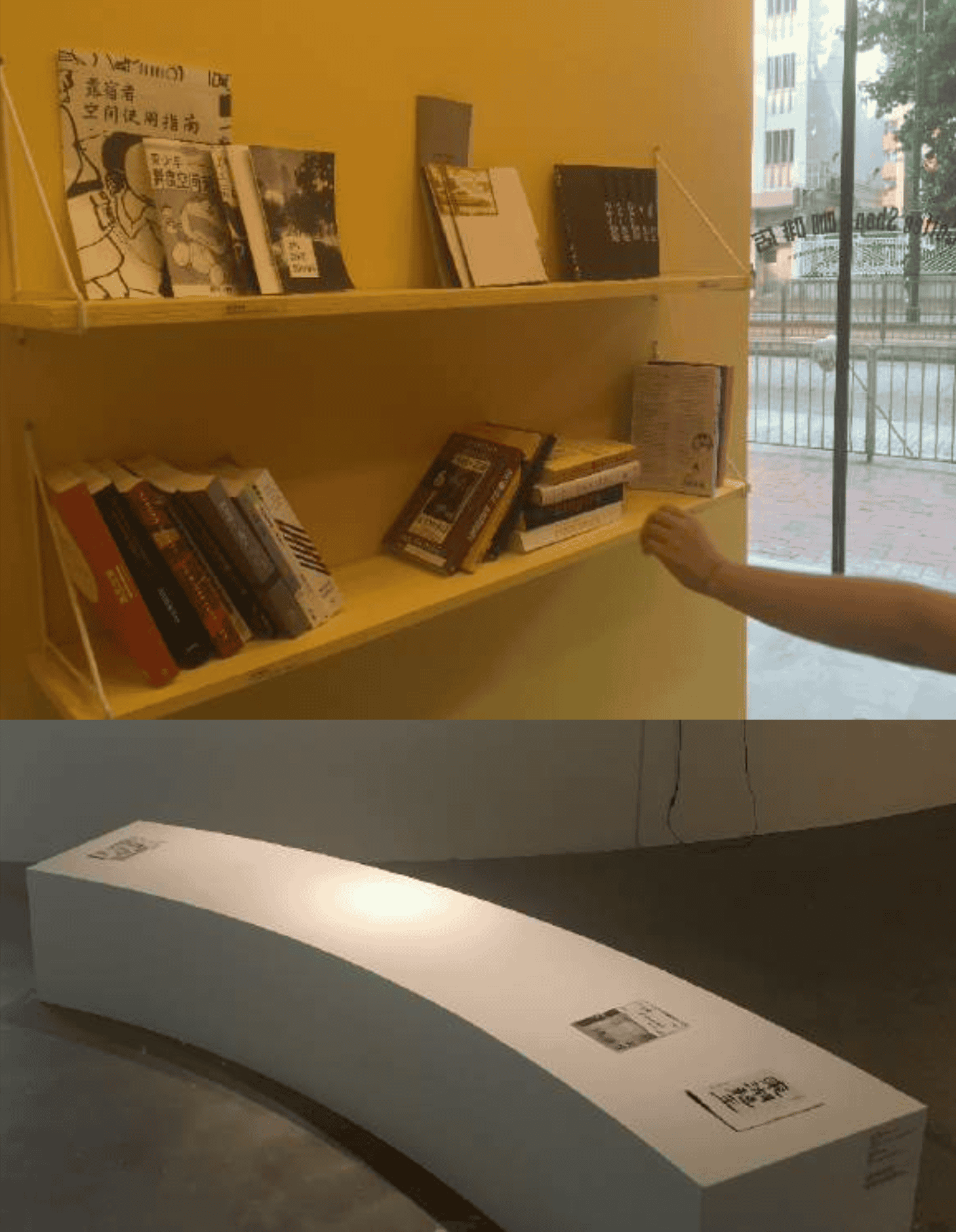
子杰在上海人民公园进行的“三叔计划”项目(MOCA 艺术亭台,2015 年 8 月)中,于空间内搭起帐篷并邀请人们来讨论,事关城市漫游。该项目产生的印刷品作为开端陆续增添,结集为“空间使用指南系列漫画”,继续讨论城市空间问题。收入这一系列丛书的漫画包括《当季球根栽培 法》《青少年异度空间营造手册》《真的露宿者空间使用指南书》《东湖龙王》等共五本:
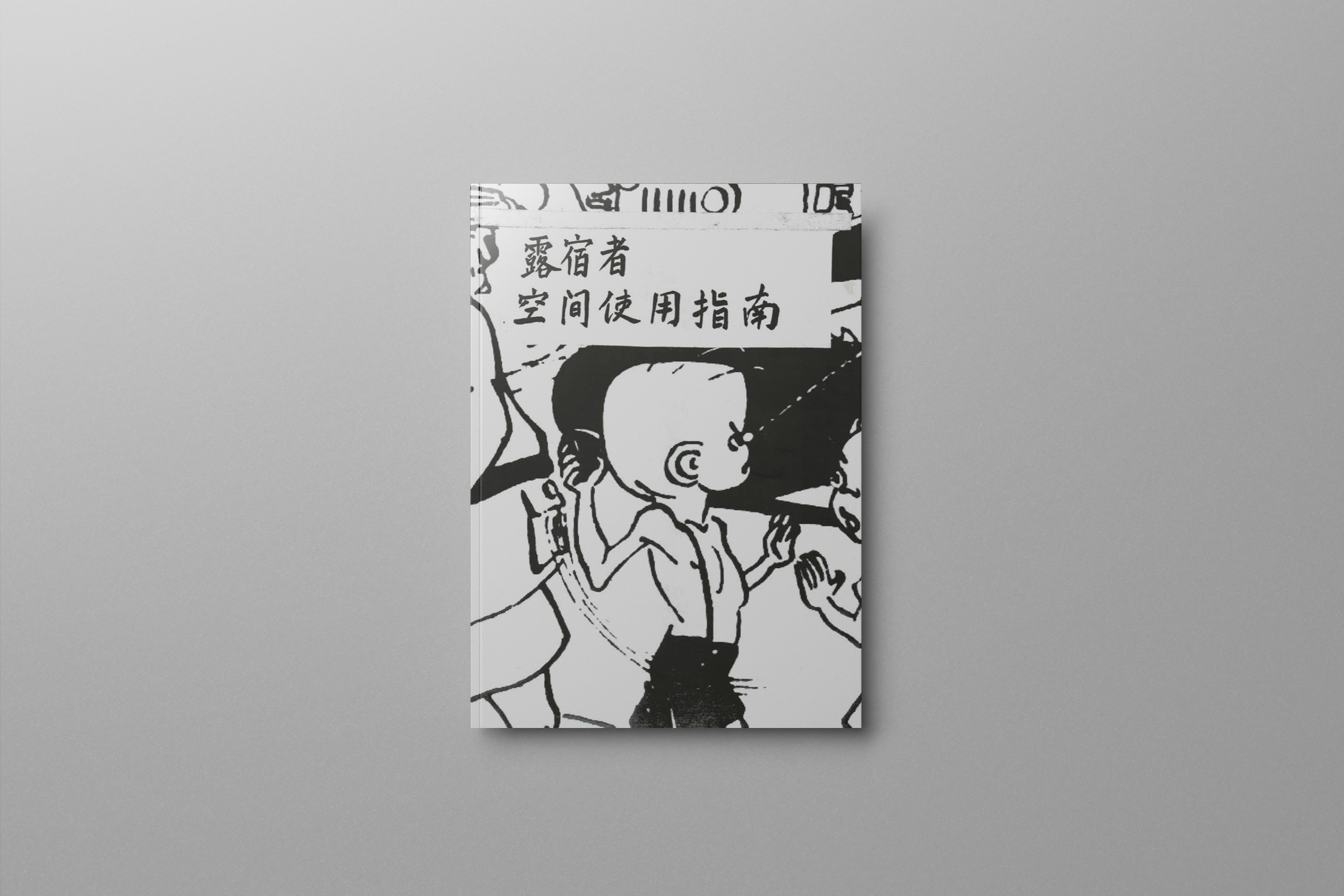
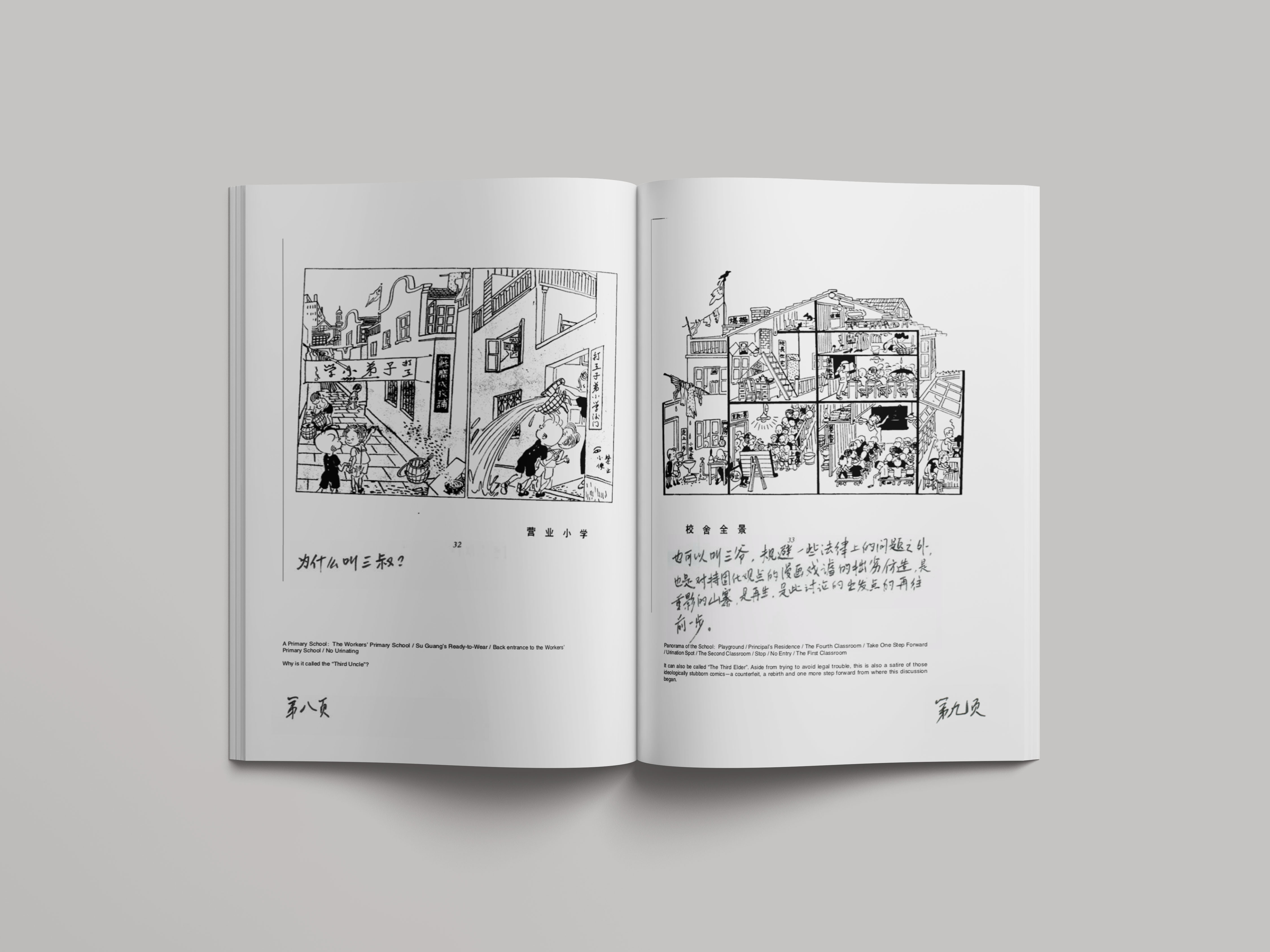
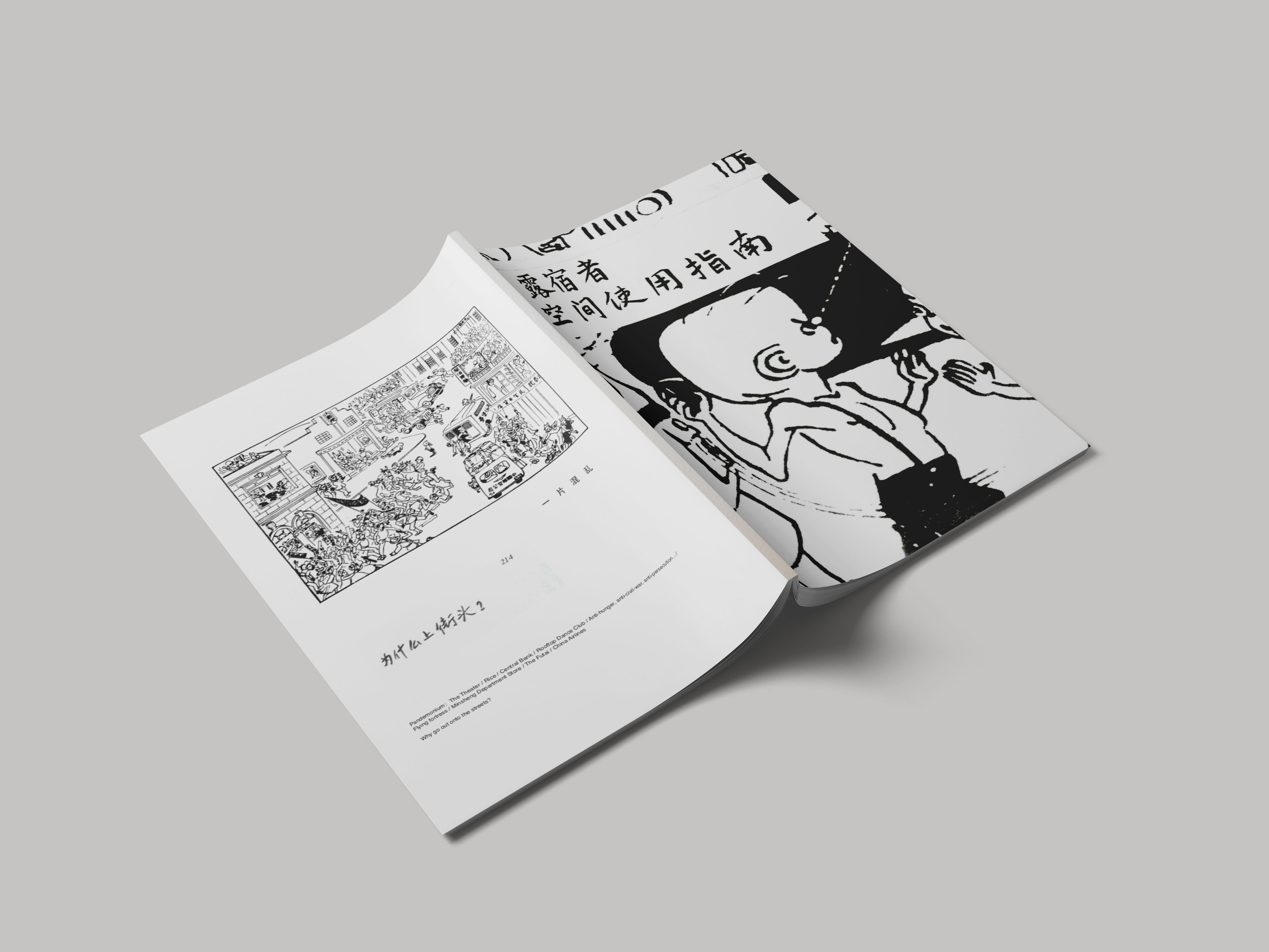
#1《露宿者空间使用指南》:三毛是上海大众和漫画的连接点,其都市游荡者的身份及经历正好可以借为现世法外之徒(bande à part)的形象。由此作者以偏轨看待因古老而持固化观点的漫画作品,指认其也是波德莱尔笔下的“闲逛者”,是如何用身体丈量城市的。
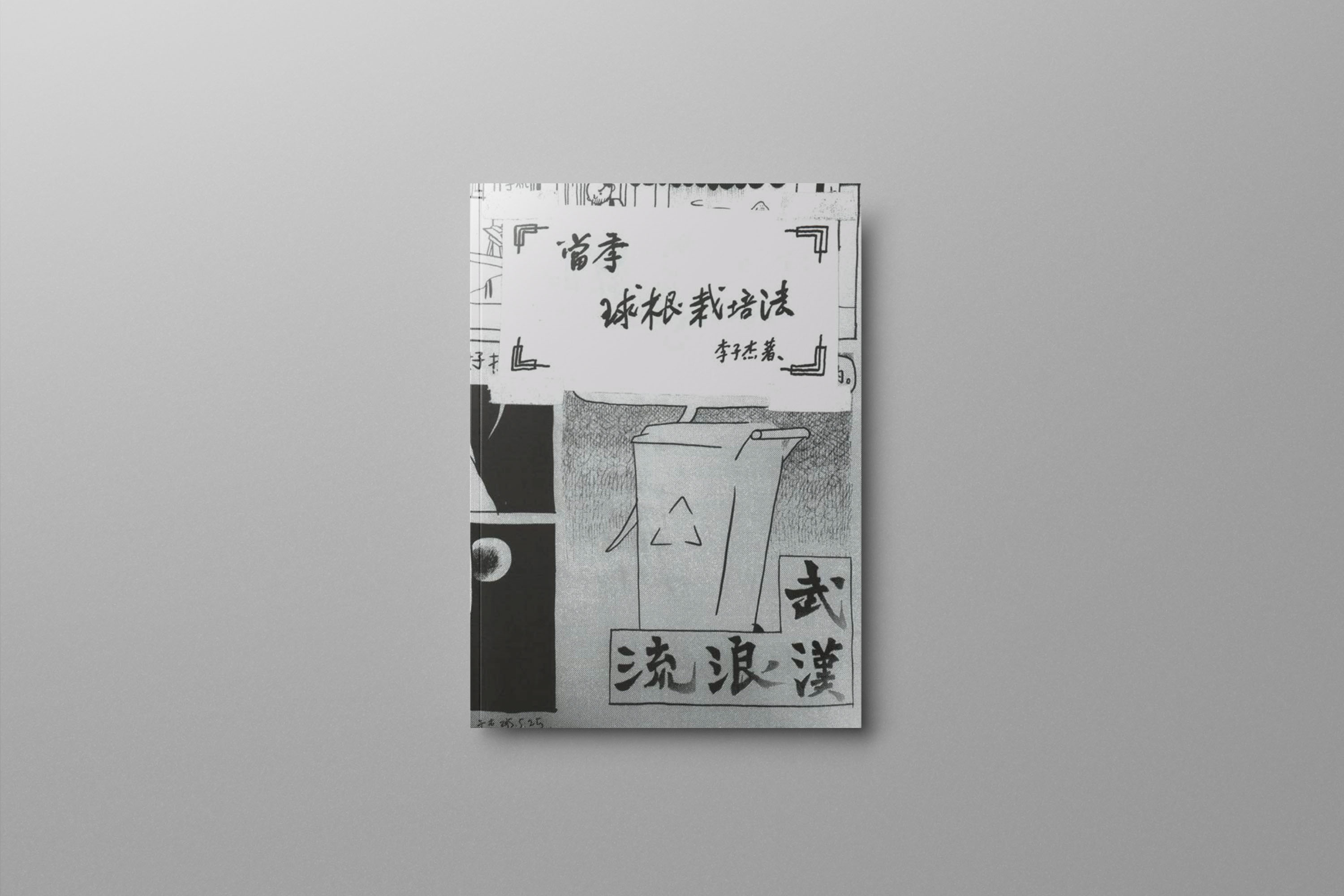
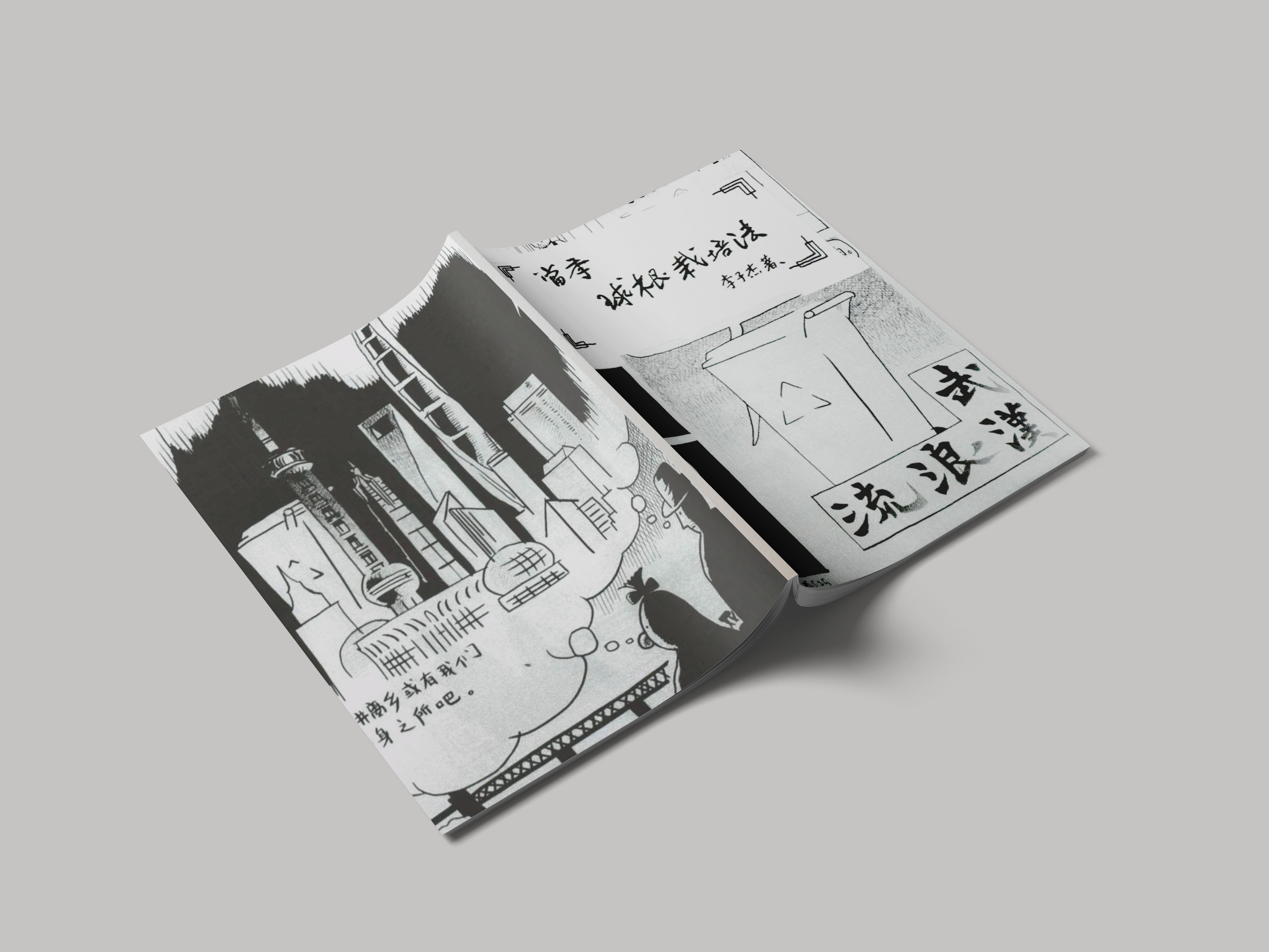
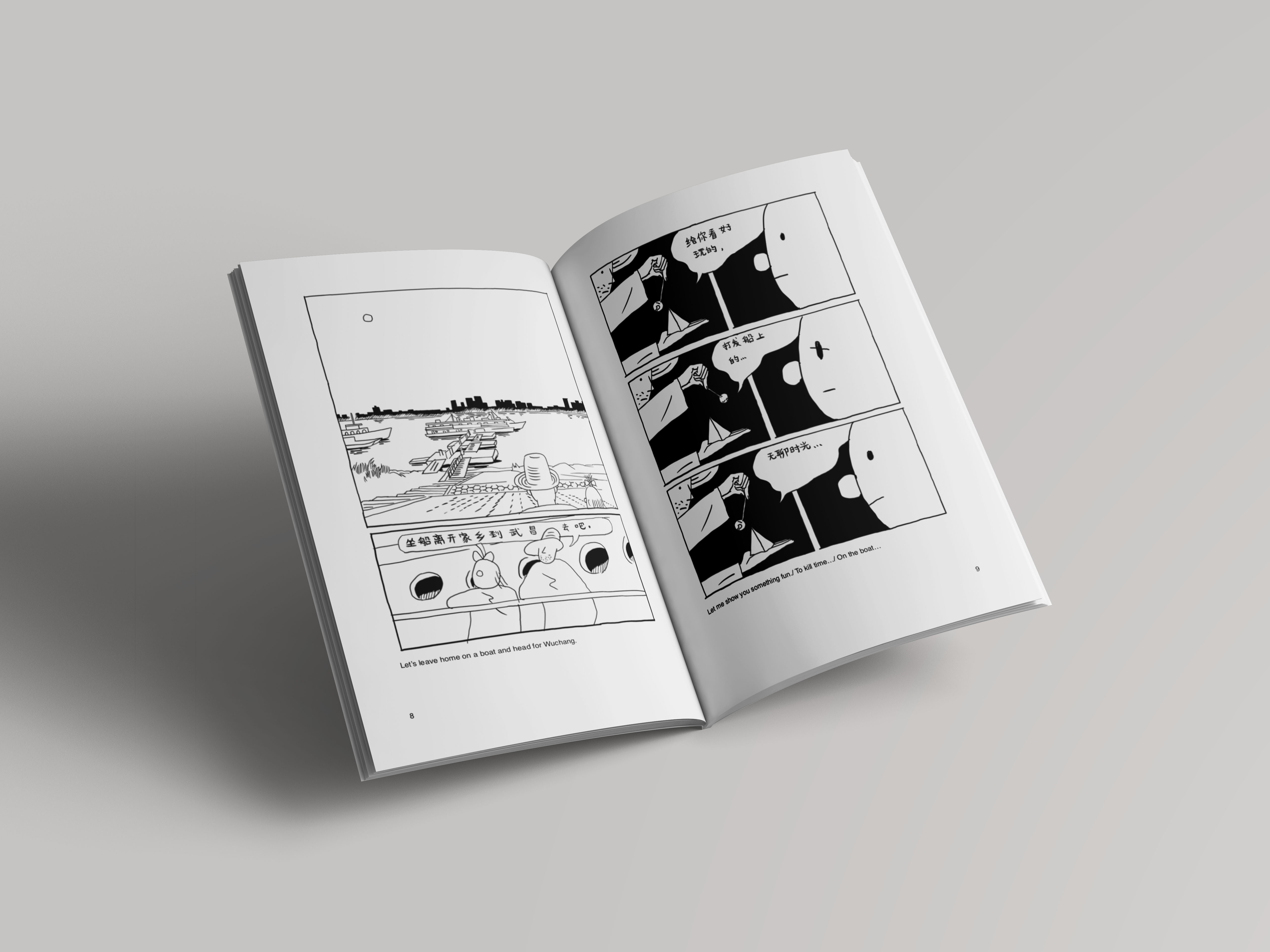
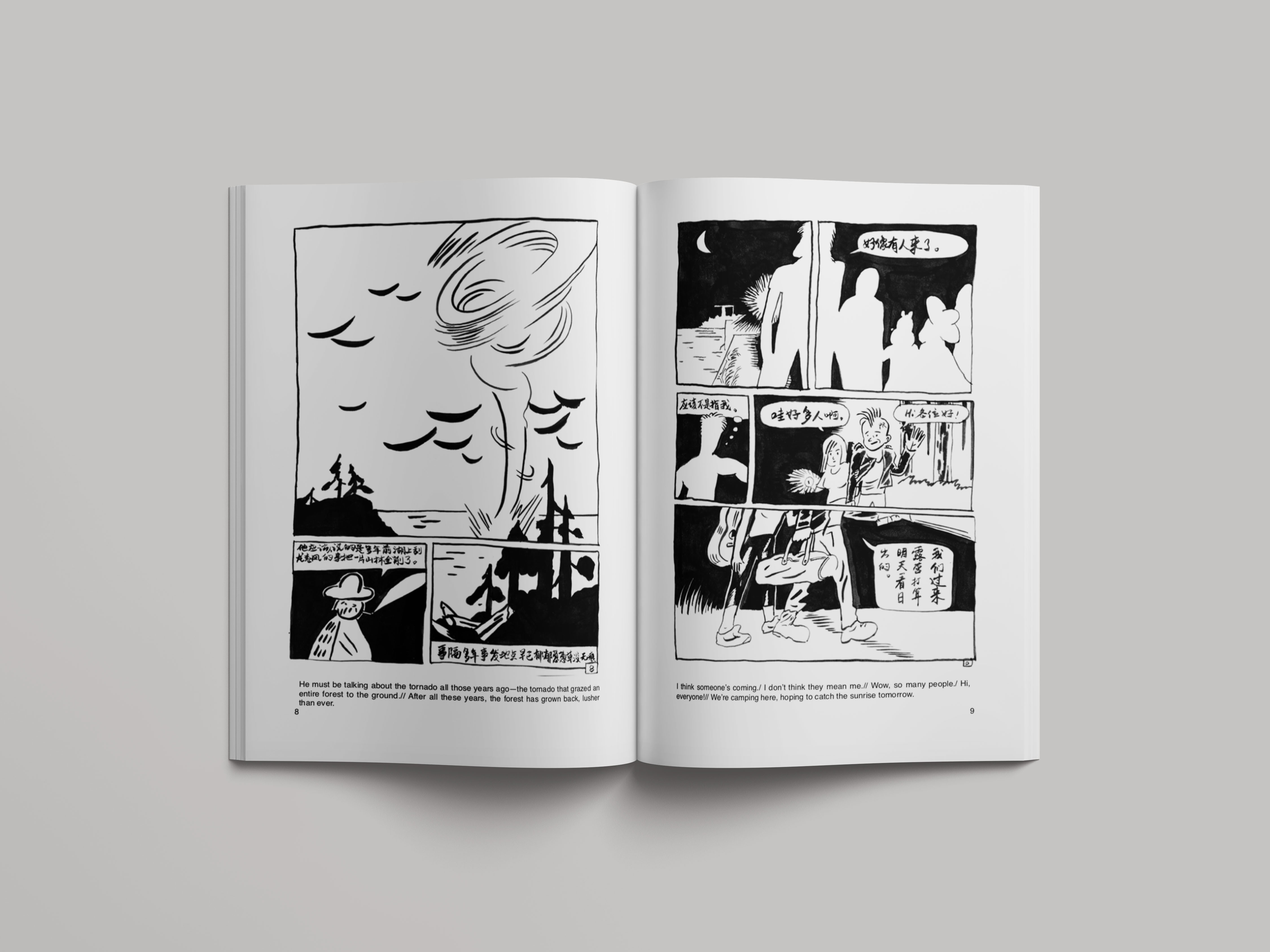
#2《当季球根栽培法》:又名《武汉流浪汉》,讲述了两个汉口的流浪汉前往异乡寻找家的故事。
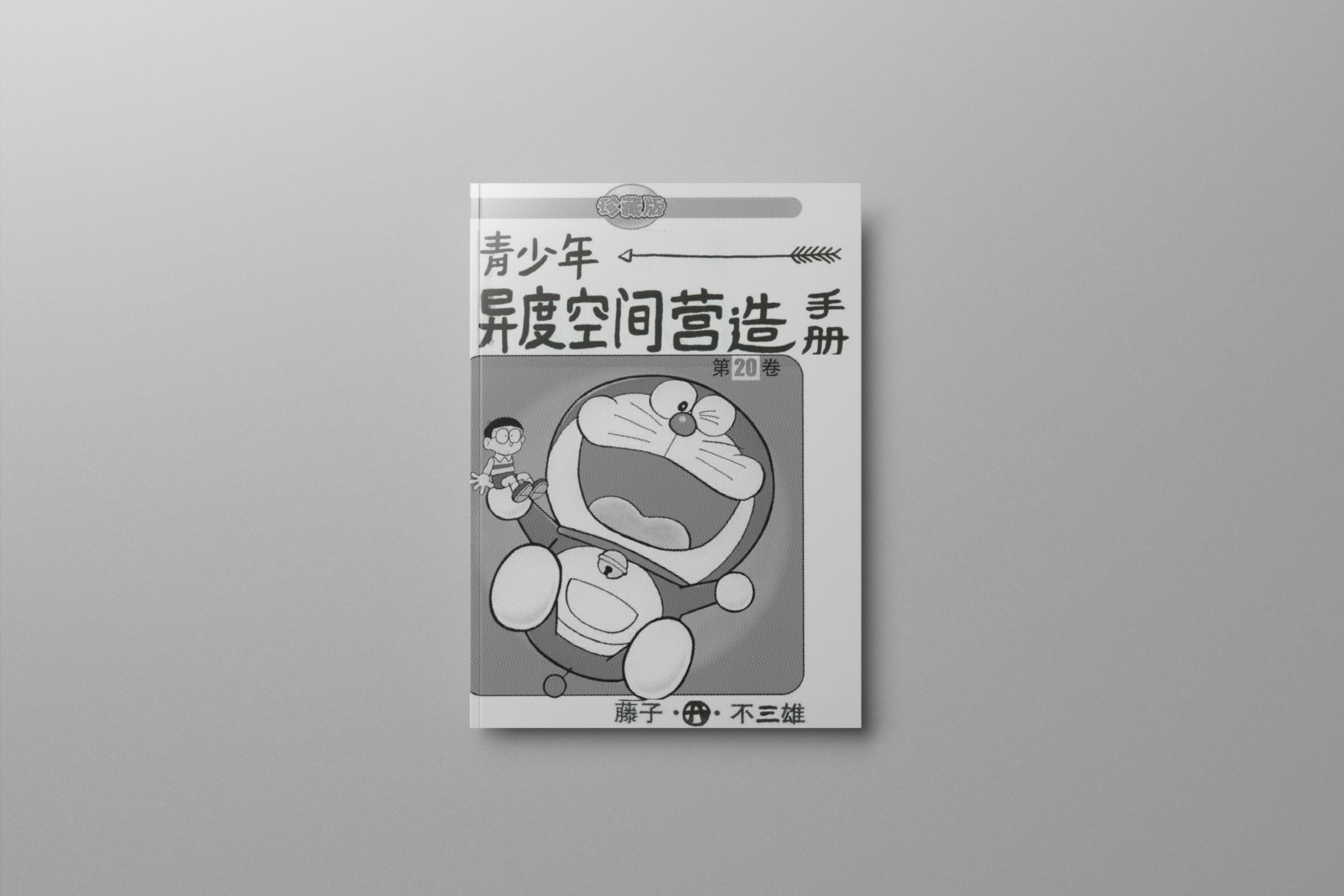
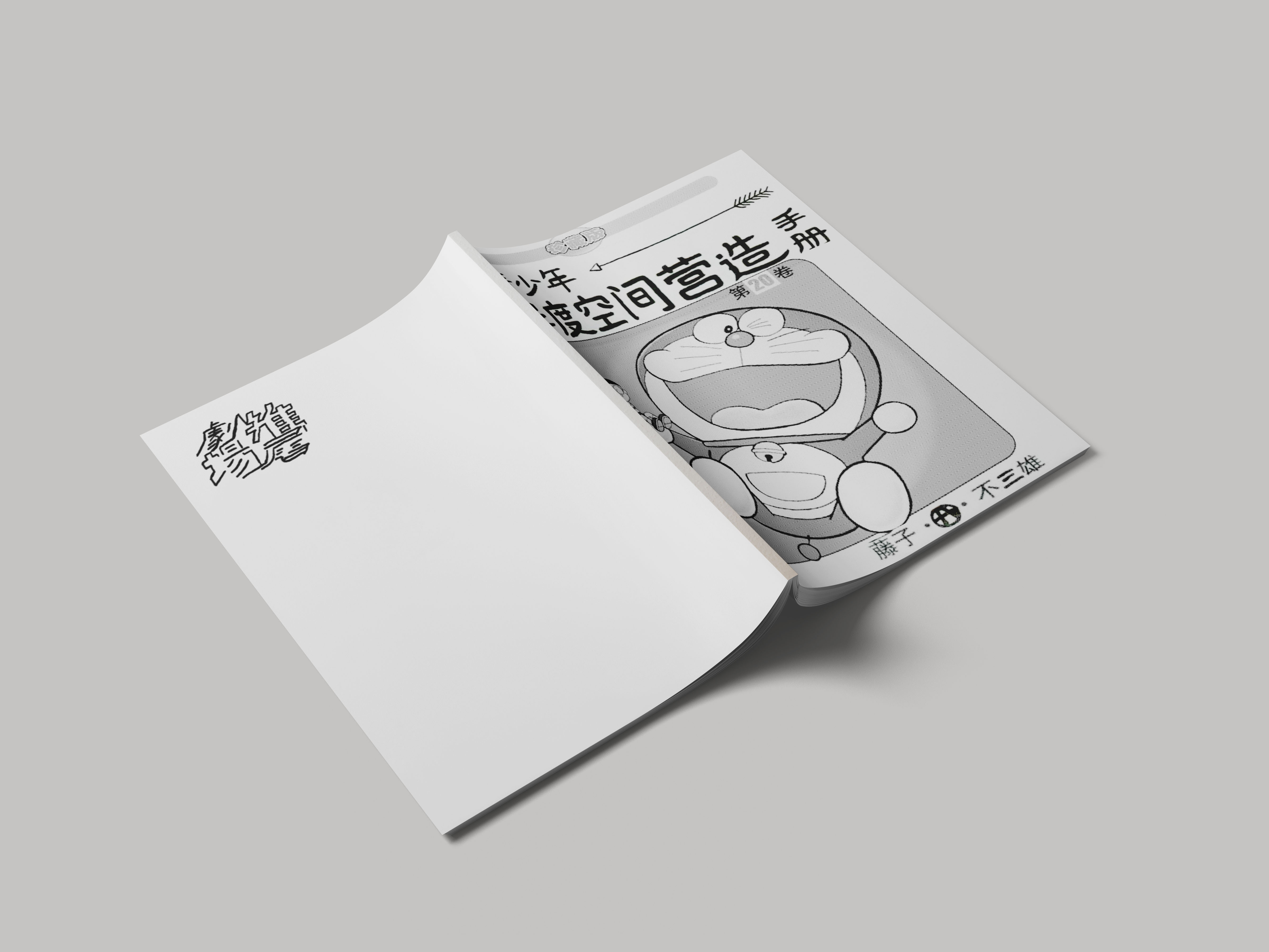
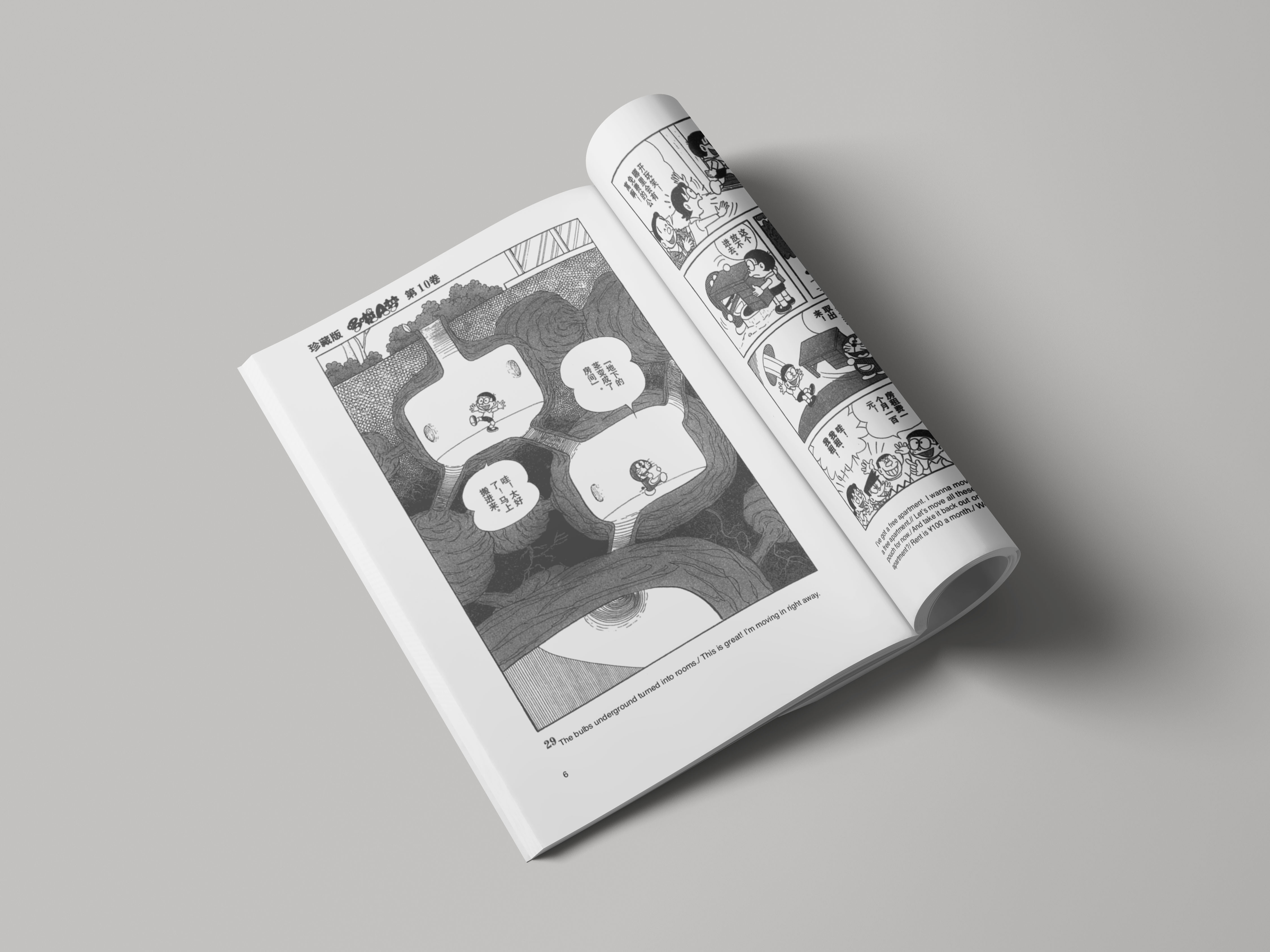
#3《青少年异度空间营造手册》:摘录了漫画《多啦A梦》中关于城市空间的部分章节,没有做任何改动。其是日本的国民漫画,反应了当地70年代中期的很多社会问题包括房价很高、小孩子们缺少游玩的场地等等。这些和中国近20年的情况很接近。
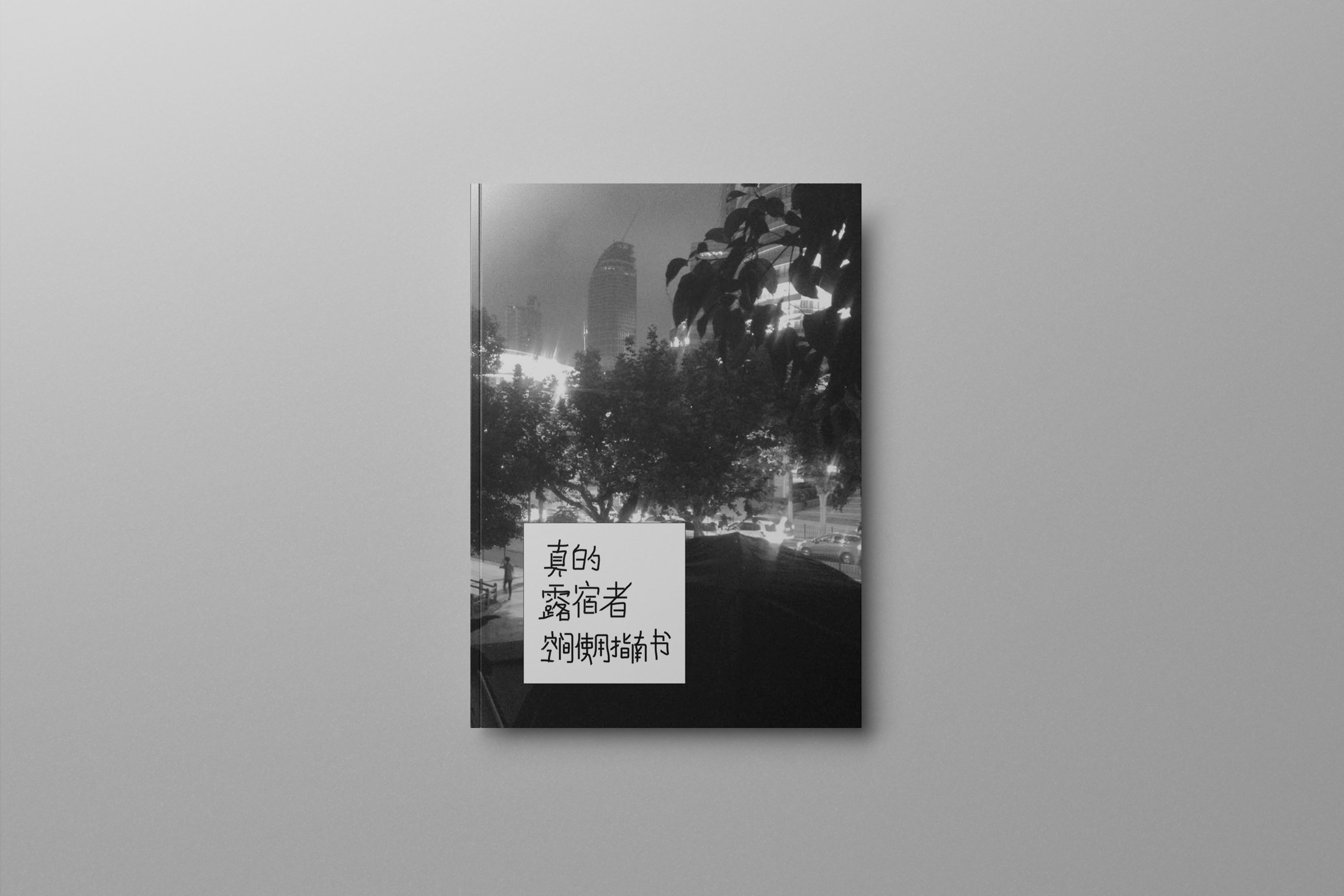
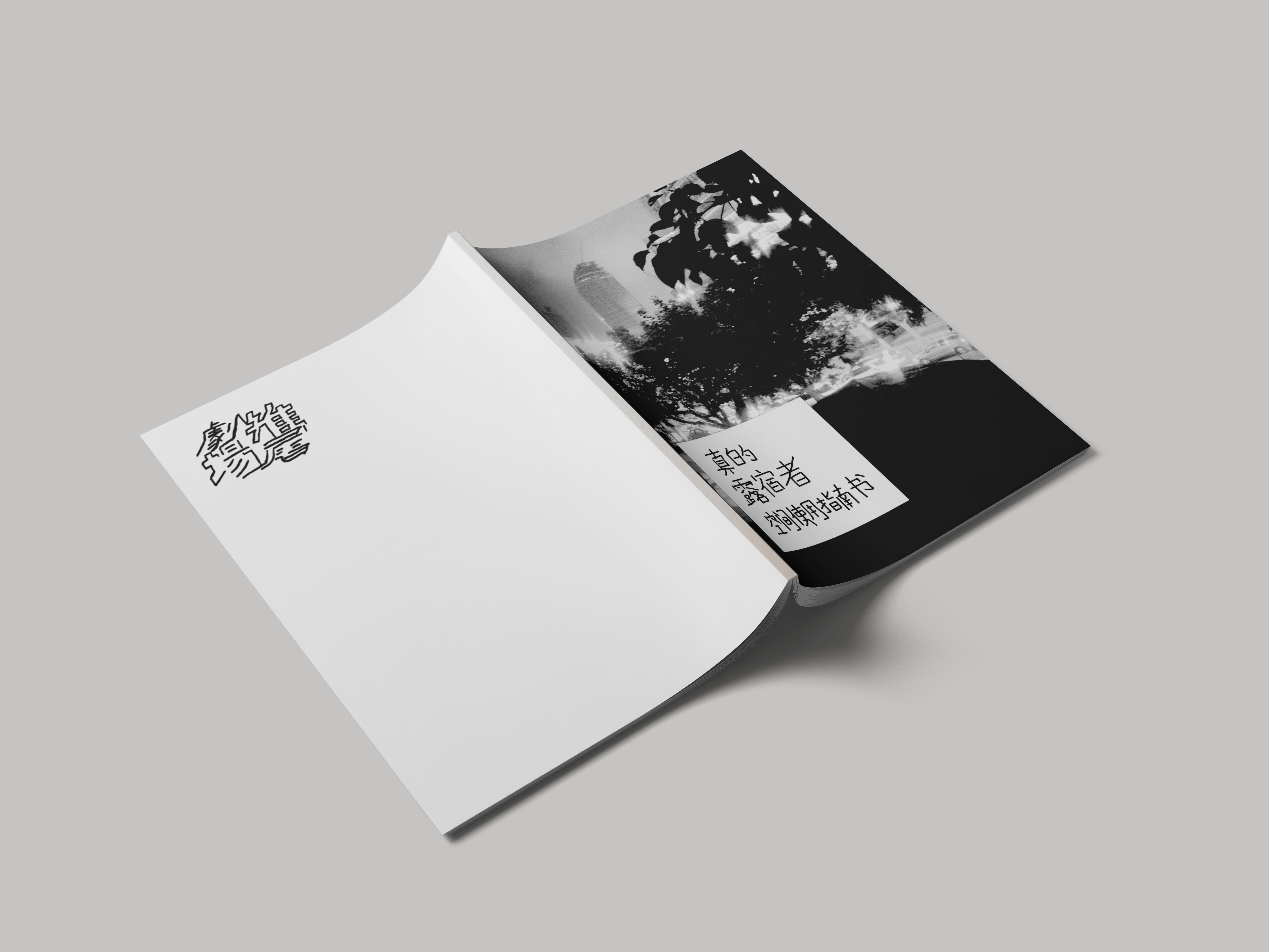
#4《真的露宿者空间使用指南书》:作者在上海人民公园搭帐篷居住一段时间后,根据当时遇到的一些流浪汉讲述的经历画了这个故事,包括居住地的选择、如何处理违禁品和食物等等。虚幻地描述了公园的露宿者生活。
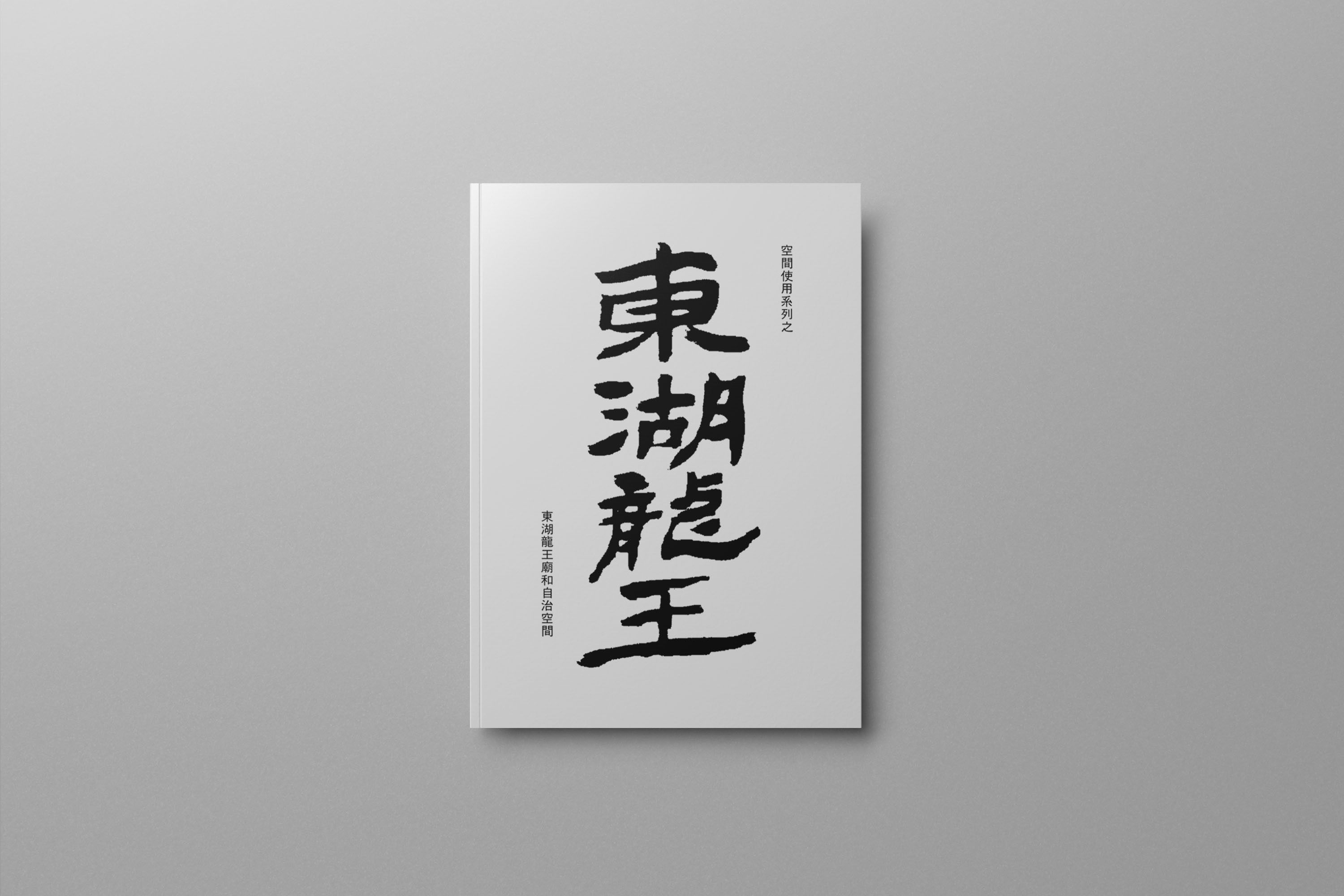
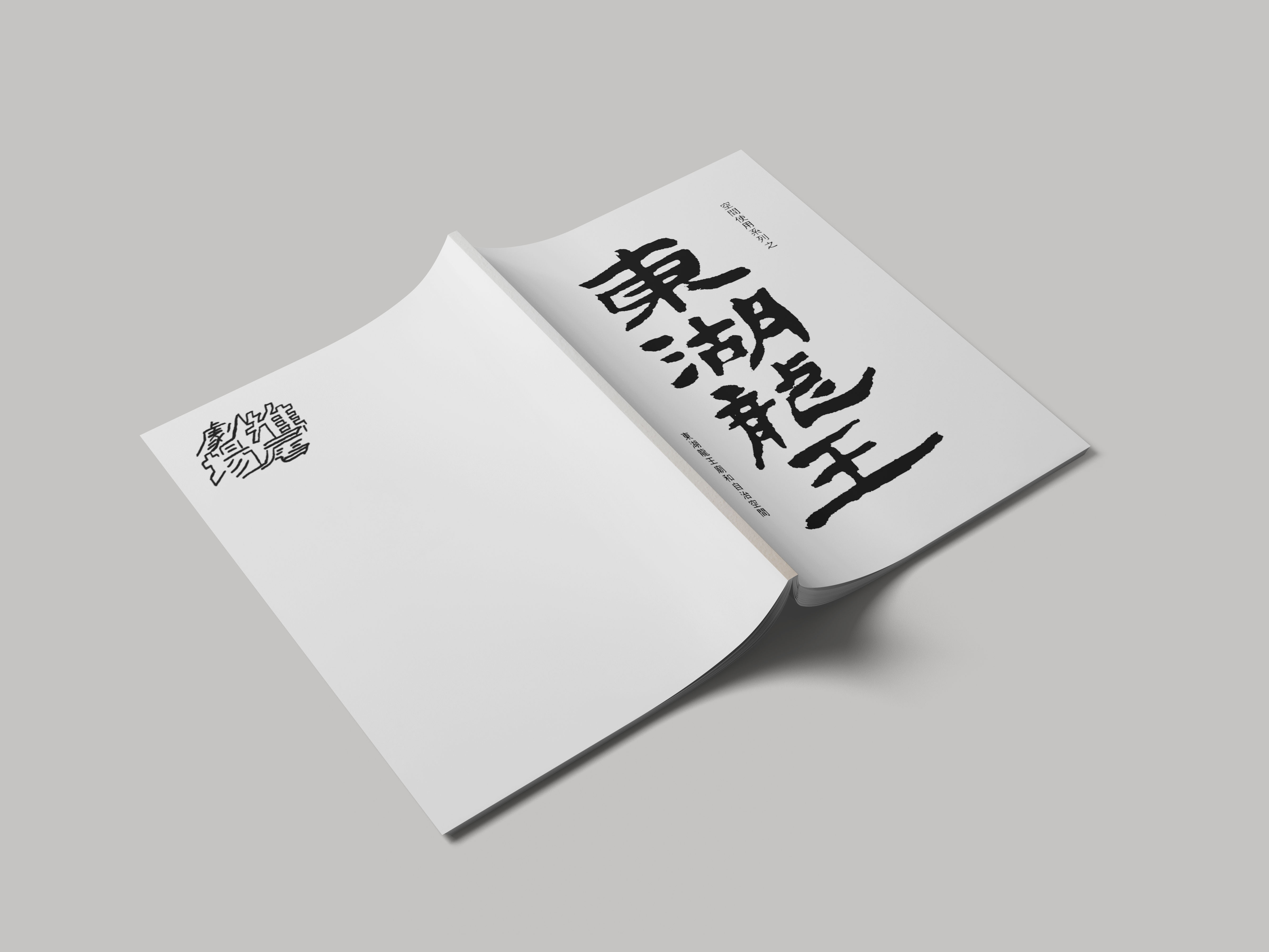
#5《东湖龙王庙和自治空间》:以鬼神的方式进入民间自治空间的重建,并用漫画叙述: 2010年后武汉东湖沿岸陆续被房地产楼盘团团围住,成为名副其实的城中亲水公园;子杰在这些楼盘的湖对面盖了一个龙王庙与之形成空间对峙的关系,希望从此关系里讨论城市化的问题;而这个庙因为鬼神所属,至今未被拆除,更被当地人上香祭拜。子杰在盖好庙之后,用漫画把事情讲了一遍。
In the Third Uncle Project that Zijie conducted at People’s Park in Shanghai (MOCA Pavilion, August 2015), he set up a tent inside the venue and invited the public to discuss matters surrounding urban roaming. The printed matter generated from this project served as a starting point and was gradually expanded, eventually compiled into the “How to Use Space” Comics Series, which continues to interrogate urban spatial issues. The series comprises five volumes in total:
#1 Street Sleepers’ Guide: How to Use Space:Sanmao serves as a nexus connecting the Shanghai public with comic culture; his identity and background as an urban wanderer make him an ideal avatar for a contemporary bande à part (outsider). Through this, the author approaches this classic, traditionally rigid comic work through an off-kilter lens, framing Sanmao as Baudelaire’s flâneur and revealing how he measures the city with his own body.
#2 How to Grow Flower Bulbs Today or WUHAN DRIFTERs:Also known as WUHAN DRIFTERs, this volume tells the story of two vagrants from Hankou who travel to an unfamiliar land in search of a place to call home.
#3 Handbook for Youth: How to Build a Heterotopia:Features unaltered excerpts of chapters concerning urban space from the iconic manga Doraemon. As Japan’s quintessential national manga, it captured mid-1970s social issues—such as skyrocketing housing prices and a severe lack of play spaces for children—parallels that closely mirror China’s urban realities over the past two decades.
#4 The Real Guide for Street Sleepers: How to Use Space:After pitching a tent and living in Shanghai’s People’s Park for a period, the author illustrated this narrative based on the lived experiences shared by homeless individuals he encountered, covering topics such as campsite selection, handling contraband, and securing food—constructing a surreal depiction of rough sleepers’ lives in the park.
#5 Autonomous Space and the Dragon King Temple at East Lake:Invokes spirits and deities to intervene in the reconstruction of civic autonomous space, narrated through sequential art. After 2010, the shores of Wuhan’s East Lake were gradually encircled by commercial real estate developments, turning it into an enclosed urban waterfront park. Zijie built a Dragon King Temple on the opposite shore to establish a spatial confrontation with these developments, aiming to spark critical discussion around rapid urbanization. Protected by its sacred association with the divine realm, the temple has survived demolition to this day, with local residents still offering incense in worship. After completing the structure, Zijie retold the entire saga through comics.
空间使用指南系列漫画
漫画,纸质印刷品,行为/事件
上海,武汉,2015
三叔计划,漫画经济学
MOCA 艺术亭台,上海,2015
巴西咖啡室
PARA SITE 艺术空间,香港,2019
“How to Use Space” Comics Series
Comics, printed matter, performance/event
Shanghai/ Wuhan, 2015
Sanshu Uncle Project, Comics Economics
MOCA Pavilion, Shanghai, 2015
Café do Brasil
Para Site, Hong Kong, 2019